

ಊರಿನಲ್ಲಿ ಸಂಜೆ ದೀಪ ಹಚ್ಚುವ ಹೊತ್ತಿಗೆ ಹಗಲಿನ ಹಕ್ಕಿಗಳು ಗೂಡು ಸೇರುತ್ತವೆ. ಅದಲ್ಲದೆ ಕತ್ತಲಾದ ಮೇಲೆಯೇ ತಮ್ಮ ಕೆಲಸ ಶುರುಮಾಡುವ ಜೀವಿಗಳೂ ಇವೆ.
ಈ ಆರ್ಯಾ ಶ್ಲೋಕ ಅಂಥ ಒಂದು ಜೀವಿಯನ್ನು, ಗೂಬೆಯನ್ನು, ಖಲರ ಜೊತೆ ಹೋಲಿಸುತ್ತದೆ.
ಸುಭಾಷಿತ (ಕನ್ನಡ)
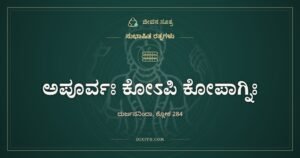
ಅತಿಮಲಿನೇ ಕರ್ತವ್ಯೇ ಭವತಿ ಖಲಾನಾಮತೀವ ನಿಪುಣಾ ಧೀಃ
ತಿಮಿರೇ ಹಿ ಕೌಶಿಕಾನಾಂ ರೂಪಂ ಪ್ರತಿಪದ್ಯತೇ ದೃಷ್ಟಿಃ
ಸುಭಾಷಿತ (ದೇವನಾಗರಿ)
अतिमलिने कर्तव्ये भवति खलानामतीव निपुणा धीः
तिमिरे हि कौशिकानां रूपं प्रतिपद्यते दृष्टिः
ಸುಭಾಷಿತ (IAST)
atimaline kartavye bhavati khalānāmatīva nipuṇā dhīḥ
timire hi kauśikānāṃ rūpaṃ pratipadyate dṛṣṭiḥ
ಪದಶಃ ಅರ್ಥ
- ಅತಿಮಲಿನೇ ಕರ್ತವ್ಯೇ (अतिमलिने कर्तव्ये, atimaline kartavye) = ಬಹಳ ಕೊಳಕಾದ ಕೆಲಸದಲ್ಲಿ (in a very foul task)
- ಭವತಿ (भवति, bhavati) = ಆಗುತ್ತದೆ (becomes)
- ಖಲಾನಾಮ್ (खलानाम्, khalānām) = ಖಲರ (of the crooked)
- ಅತೀವ (अतीव, atīva) = ಬಹಳ (exceedingly)
- ನಿಪುಣಾ (निपुणा, nipuṇā) = ಚುರುಕಾದ (skilled)
- ಧೀಃ (धीः, dhīḥ) = ಬುದ್ಧಿ (mind)
- ತಿಮಿರೇ (तिमिरे, timire) = ಕತ್ತಲಲ್ಲಿ (in the darkness)
- ಹಿ (हि, hi) = ಏಕೆಂದರೆ (for)
- ಕೌಶಿಕಾನಾಮ್ (कौशिकानाम्, kauśikānām) = ಗೂಬೆಗಳ (of owls)
- ರೂಪಮ್ (रूपम्, rūpam) = ರೂಪವನ್ನು, ಸ್ಪಷ್ಟತೆಯನ್ನು (form, clearness)
- ಪ್ರತಿಪದ್ಯತೇ (प्रतिपद्यते, pratipadyate) = ಪಡೆಯುತ್ತದೆ (attains)
- ದೃಷ್ಟಿಃ (दृष्टिः, dṛṣṭiḥ) = ದೃಷ್ಟಿ (sight)
ಸಂಪೂರ್ಣ ಅರ್ಥ (ಕನ್ನಡ)
ಬಹಳ ಕೊಳಕಾದ ಕೆಲಸ ಮಾಡಬೇಕಾದಾಗ ಖಲರ ಬುದ್ಧಿ ಅತಿ ಚುರುಕಾಗುತ್ತದೆ. ಹೇಗೆಂದರೆ ಕತ್ತಲಲ್ಲಿ ಗೂಬೆಗಳ ದೃಷ್ಟಿ ಸ್ಪಷ್ಟವಾಗುತ್ತದೆ.
ಸಂಪೂರ್ಣ ಅರ್ಥ (ಇಂಗ್ಲಿಷ್)
When there is a very foul task to be done, the wits of the crooked grow exceedingly sharp. In the same way, in the dark the sight of owls takes on its clearness.
ಈ ಸುಭಾಷಿತದ ಬಗ್ಗೆAbout this subhashita
ಕೌಶಿಕ ಎಂದರೆ ಇಲ್ಲಿ ಗೂಬೆ. ಹಗಲಿನಲ್ಲಿ ಕಡಿಮೆ ಕಾಣುವ ಗೂಬೆ ಕತ್ತಲಲ್ಲಿ ಚೆನ್ನಾಗಿ ನೋಡುತ್ತದೆ ಎಂಬ ಜನಪ್ರಿಯ ನಂಬಿಕೆಯನ್ನು ಕವಿ ಬಳಸಿದ್ದಾನೆ.
Kaushika here means an owl. The poet uses the popular belief that the owl, poorly sighted by day, sees well in the dark.
ಮಲಿನ ಎಂದರೆ ಕೊಳೆ, ಇಲ್ಲಿ ನೈತಿಕ ಕೊಳೆ. ನಿಪುಣ ಬುದ್ಧಿ ಎಂಬುದು ಮೆಚ್ಚುಗೆಯ ಮಾತಾದರೂ ಇಲ್ಲಿ ಅದು ಕುಹಕದ ಹೊಗಳಿಕೆ.
Malina means dirt, and here moral dirt. Skilled mind is a word of praise, but here the praise is a sneer.
ಆಧಾರ: ಸುಭಾಷಿತರತ್ನಭಾಂಡಾಗಾರ, ಸಾಮಾನ್ಯ ಪ್ರಕರಣ (ನಿರ್ಣಯಸಾಗರ ಮುದ್ರಣಾಲಯ, ಮುಂಬಯಿ), ಪುಟ 57. ಶ್ಲೋಕದ ಪಾಠವನ್ನು ಮುದ್ರಿತ ಪ್ರತಿಯ ಸ್ಕ್ಯಾನ್ನೊಂದಿಗೆ ಅಕ್ಷರಶಃ ಹೋಲಿಸಿದ್ದೇವೆ. ಅರ್ಥ ಮತ್ತು ವಿವರಣೆ ನಮ್ಮದು.
Source: Subhashitaratnabhandagara, Samanya Prakarana (Nirnaya Sagar Press, Bombay), page 57. The text of the verse was checked letter by letter against a scan of the printed book. The meaning and notes are ours.
ಇಂದಿನ ಬದುಕಿಗೆFor life today
ನಿಯಮವನ್ನು ತಪ್ಪಿಸುವ ದಾರಿ ಎಲ್ಲರಿಗಿಂತ ಮೊದಲು ಕಾಣುವ ಚುರುಕು ಮನುಷ್ಯರನ್ನು ನಾವು ಎಚ್ಚರದಿಂದ ನೋಡಬೇಕು. ಚುರುಕುತನ ಯಾವ ಕೆಲಸಕ್ಕೆ ಬಳಕೆಯಾಗುತ್ತದೆ ಎಂಬುದೇ ಮುಖ್ಯ.
We should watch carefully those who are quickest to see how a rule can be dodged. What matters is the work to which the sharpness is put.
ಚುರುಕಾದವರೆಲ್ಲ ಸಂಶಯಕ್ಕೆ ಅರ್ಹರು ಎಂದು ಇದರ ಅರ್ಥವಲ್ಲ. ವೈದ್ಯಕೀಯ ಕಲಿಕೆಯಲ್ಲಿ ದಾಖಲೆಯ ತಪ್ಪನ್ನು ಮುಚ್ಚುವ ಚಾಣಾಕ್ಷತೆಗಿಂತ ಅದನ್ನು ಒಪ್ಪಿಕೊಳ್ಳುವ ಪ್ರಾಮಾಣಿಕತೆಗೆ ಬೆಲೆ ಹೆಚ್ಚು.
This does not mean every sharp person deserves suspicion. In medical training, honestly owning a mistake in the record is worth more than the cleverness of covering it up.
ಪಾಠದಲ್ಲಿ ತಪ್ಪೋ ಬೇರೆ ಪಾಠಾಂತರವೋ ಕಂಡಿತೇ? ನಮಗೆ ತಿಳಿಸಿ.
Noticed a mistake or a different reading? Tell us.


ಪ್ರತಿಕ್ರಿಯೆ ಬರೆಯಿರಿ