

ಹಳ್ಳಿಯಲ್ಲಿ ಹಾವು ಕಚ್ಚಿತು ಎಂಬ ಸುದ್ದಿ ಬಂದ ತಕ್ಷಣ ಎಲ್ಲರ ಮುಖ ಬದಲಾಗುತ್ತದೆ. ಹಾವಿನ ಹೆದರಿಕೆ ನಮ್ಮ ರಕ್ತದಲ್ಲೇ ಇದೆ ಎನಿಸುತ್ತದೆ.
ಈ ಶ್ಲೋಕ ಅದೇ ಹೆದರಿಕೆಯನ್ನು ಚಾಡಿ ಹೇಳುವವರ ನಾಲಿಗೆಗೆ ಜೋಡಿಸುತ್ತದೆ. ಅದಲ್ಲದೆ ಬ್ರಹ್ಮನ ಮೇಲೆ ಹೊರೆ ಹಾಕಿ ತನ್ನ ವಾದವನ್ನು ಮುಂದಿಡುತ್ತದೆ. ಛಂದಸ್ಸಿನ ಹೆಸರು ನಮಗೆ ಖಚಿತವಿಲ್ಲ.
ಸುಭಾಷಿತ (ಕನ್ನಡ)
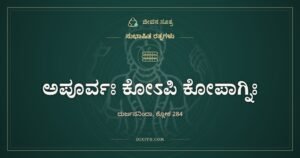
ವದನೇ ವಿನಿವೇಶಿತಾ ಭುಜಂಗೀ ಪಿಶುನಾನಾಂ ರಸನಾಮಿಷೇಣ ಧಾತ್ರಾ
ಅನಯಾ ಕಥಮನ್ಯಥಾವಲೀಢಾ ನಹಿ ಜೀವಂತಿ ಜನಾ ಮನಾಗಮಂತ್ರಾಃ
ಸುಭಾಷಿತ (ದೇವನಾಗರಿ)
वदने विनिवेशिता भुजङ्गी पिशुनानां रसनामिषेण धात्रा
अनया कथमन्यथावलीढा नहि जीवन्ति जना मनागमन्त्राः
ಸುಭಾಷಿತ (IAST)
vadane viniveśitā bhujaṅgī piśunānāṃ rasanāmiṣeṇa dhātrā
anayā kathamanyathāvalīḍhā nahi jīvanti janā manāgamantrāḥ
ಪದಶಃ ಅರ್ಥ
- ವದನೇ (वदने, vadane) = ಬಾಯಲ್ಲಿ (in the mouth)
- ವಿನಿವೇಶಿತಾ (विनिवेशिता, viniveśitā) = ಇಡಲಾಗಿದೆ, ಇರಿಸಿದ (placed)
- ಭುಜಂಗೀ (भुजङ्गी, bhujaṅgī) = ಹೆಣ್ಣುಹಾವು (a she-snake)
- ಪಿಶುನಾನಾಂ (पिशुनानां, piśunānāṃ) = ಚಾಡಿಕೋರರ (of slanderers)
- ರಸನಾಮಿಷೇಣ (रसनामिषेण, rasanāmiṣeṇa) = ನಾಲಿಗೆ ಎಂಬ ನೆಪದಲ್ಲಿ (under the pretext of a tongue)
- ಧಾತ್ರಾ (धात्रा, dhātrā) = ಸೃಷ್ಟಿಕರ್ತನಿಂದ (by the creator)
- ಅನಯಾ (अनया, anayā) = ಇದರಿಂದ (by this)
- ಕಥಮನ್ಯಥಾವಲೀಢಾ (कथमन्यथावलीढा, kathamanyathāvalīḍhā) = ಇಲ್ಲದಿದ್ದರೆ ಹೇಗೆ, ಇದು ನೆಕ್ಕಿದವರು (otherwise how, touched by its licking)
- ನಹಿ (नहि, nahi) = ಇಲ್ಲವಲ್ಲ (not)
- ಜೀವಂತಿ (जीवन्ति, jīvanti) = ಬದುಕುತ್ತಾರೆ (live)
- ಜನಾ (जना, janā) = ಜನರು (people)
- ಮನಾಗಮಂತ್ರಾಃ (मनागमन्त्राः, manāgamantrāḥ) = ಸ್ವಲ್ಪವೂ ಮಂತ್ರ ಇಲ್ಲದವರು (those with not even a little charm)
ಸಂಪೂರ್ಣ ಅರ್ಥ (ಕನ್ನಡ)
ಸೃಷ್ಟಿಕರ್ತ ಚಾಡಿಕೋರರ ಬಾಯಲ್ಲಿ ನಾಲಿಗೆಯ ನೆಪದಲ್ಲಿ ಒಂದು ಹೆಣ್ಣುಹಾವನ್ನೇ ಇಟ್ಟಿದ್ದಾನೆ. ಇಲ್ಲದಿದ್ದರೆ ಇದು ನೆಕ್ಕಿದ ಮೇಲೆ ಸ್ವಲ್ಪವೂ ಮಂತ್ರ ತಿಳಿಯದ ಜನ ಬದುಕದಿರುವುದು ಹೇಗೆ ಸಾಧ್ಯ.
ಸಂಪೂರ್ಣ ಅರ್ಥ (ಇಂಗ್ಲಿಷ್)
The creator has placed a she-snake in the mouths of slanderers under the pretext of a tongue. Otherwise how could people who know not even a little charm fail to survive once this has licked them.
ಈ ಸುಭಾಷಿತದ ಬಗ್ಗೆAbout this subhashita
ಇಲ್ಲಿ ನಾಲಿಗೆ ಎಂಬುದು ನೆಪ ಮಾತ್ರ, ನಿಜವಾಗಿ ಇರುವುದು ಹಾವು ಎಂಬುದು ಕವಿಯ ವಾದ. ಇದನ್ನು ಅಪಹ್ನುತಿ ಎಂಬ ಅಲಂಕಾರ ಎನ್ನಬಹುದು, ಅಂದರೆ ನಿಜವನ್ನು ಮುಚ್ಚಿ ಬೇರೆ ಹೆಸರಿನಿಂದ ಕರೆಯುವುದು.
The poet’s claim is that tongue is only a pretext and what is really there is a snake. This can be called the figure apahnuti, naming a thing by another name and so denying the first.
ಮಂತ್ರ ಇಲ್ಲದವರು ಬದುಕುವುದಿಲ್ಲ ಎಂಬುದು ಹಳೆಯ ಕಾಲದ ವಿಷ ಮಂತ್ರದ ನಂಬಿಕೆಯನ್ನು ನೆನಪಿಸುತ್ತದೆ. ಕವಿ ಅದನ್ನು ಹಾಸ್ಯದ ಹಾಗೆ ಬಳಸಿ ಚಾಡಿಯ ಹಾನಿಯನ್ನು ಹೆಚ್ಚು ಮಾಡಿ ತೋರಿಸುತ್ತಾನೆ.
Those without a charm do not survive recalls the old belief in snake-poison mantras. The poet uses it wryly to magnify the harm of slander.
ಆಧಾರ: ಸುಭಾಷಿತರತ್ನಭಾಂಡಾಗಾರ, ಸಾಮಾನ್ಯ ಪ್ರಕರಣ (ನಿರ್ಣಯಸಾಗರ ಮುದ್ರಣಾಲಯ, ಮುಂಬಯಿ), ಪುಟ 59. ಶ್ಲೋಕದ ಪಾಠವನ್ನು ಮುದ್ರಿತ ಪ್ರತಿಯ ಸ್ಕ್ಯಾನ್ನೊಂದಿಗೆ ಅಕ್ಷರಶಃ ಹೋಲಿಸಿದ್ದೇವೆ. ಅರ್ಥ ಮತ್ತು ವಿವರಣೆ ನಮ್ಮದು.
Source: Subhashitaratnabhandagara, Samanya Prakarana (Nirnaya Sagar Press, Bombay), page 59. The text of the verse was checked letter by letter against a scan of the printed book. The meaning and notes are ours.
ಇಂದಿನ ಬದುಕಿಗೆFor life today
ಚಾಡಿ ಒಮ್ಮೆ ತಗುಲಿದರೆ ವಿಷದಂತೆ ಹರಡುತ್ತದೆ. ಅದನ್ನು ಕೇಳಿದ ತಕ್ಷಣ ಇನ್ನೊಬ್ಬರಿಗೆ ದಾಟಿಸದೆ ನಿಲ್ಲಿಸುವುದೇ ನಮ್ಮ ಮಂತ್ರ ಎಂದು ತೆಗೆದುಕೊಳ್ಳಬಹುದು.
Slander spreads like poison once it touches. One may take our charm to be stopping it, without passing it on the moment we hear it.
ಶ್ಲೋಕ ಒಂದು ಹಾಸ್ಯದ ಅತಿಶಯೋಕ್ತಿ. ಮಾತನಾಡುವ ಪ್ರತಿಯೊಬ್ಬನೂ ಹಾವು ಎಂದು ಅದು ಹೇಳುತ್ತಿಲ್ಲ, ಚಾಡಿಯ ನಾಲಿಗೆಯನ್ನು ಮಾತ್ರ ಹೇಳುತ್ತಿದೆ.
The verse is a comic exaggeration. It is not saying everyone who speaks is a snake, only the tongue of slander.
ಪಾಠದಲ್ಲಿ ತಪ್ಪೋ ಬೇರೆ ಪಾಠಾಂತರವೋ ಕಂಡಿತೇ? ನಮಗೆ ತಿಳಿಸಿ.
Noticed a mistake or a different reading? Tell us.


ಪ್ರತಿಕ್ರಿಯೆ ಬರೆಯಿರಿ