

ಎದುರಾಳಿ ತಂಡ ಬಲಿಷ್ಠ, ನಮ್ಮ ತಂಡದಲ್ಲಿ ಹೆಸರಾದ ಆಟಗಾರರೇ ಇಲ್ಲ ಎಂಬ ಪಂದ್ಯಗಳು ಎಲ್ಲರ ನೆನಪಿನಲ್ಲಿಯೂ ಇರುತ್ತವೆ. ಕೆಲವೊಮ್ಮೆ ಅಂಥ ಪಂದ್ಯಗಳನ್ನೇ ನಾವು ಹೆಚ್ಚು ಕಾಲ ನೆನಪಿಡುತ್ತೇವೆ.
ಈ ಶ್ಲೋಕ ಮನ್ಮಥನ ಪುರಾಣ ಕಥೆಯನ್ನು ಒಂದು ರಾಜನ ಆಸ್ಥಾನದ ರೂಪಕದಲ್ಲಿ ಹೇಳುತ್ತದೆ. ಇದು ನಾಲ್ಕು ಪಾದಗಳ ಉದ್ದವಾದ ವೃತ್ತ. ಅದರ ನಿಖರ ಹೆಸರನ್ನು ನಾವು ಖಚಿತಪಡಿಸಿಲ್ಲ.
ಸುಭಾಷಿತ (ಕನ್ನಡ)
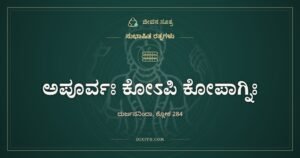
ವಿಪಕ್ಷಃ ಶ್ರೀಕಂಠೋ ಜಡತನುರಮಾತ್ಯಃ ಶಶಧರೋ ವಸಂತಃ ಸಾಮಂತಃ ಕುಸುಮಮಿಷವಃ ಸೈನ್ಯಮಬಲಾಃ
ತಥಾಪಿ ತ್ರೈಲೋಕ್ಯಂ ಜಯತಿ ಮದನೋ ದೇಹರಹಿತಃ ಕ್ರಿಯಾಸಿದ್ಧಿಃ ಸತ್ತ್ವೇ ವಸತಿ ಮಹತಾಂ ನೋಪಕರಣೇ
ಸುಭಾಷಿತ (ದೇವನಾಗರಿ)
विपक्षः श्रीकण्ठो जडतनुरमात्यः शशधरो वसन्तः सामन्तः कुसुममिषवः सैन्यमबलाः
तथापि त्रैलोक्यं जयति मदनो देहरहितः क्रियासिद्धिः सत्त्वे वसति महतां नोपकरणे
ಸುಭಾಷಿತ (IAST)
vipakṣaḥ śrīkaṇṭho jaḍatanuramātyaḥ śaśadharo vasantaḥ sāmantaḥ kusumamiṣavaḥ sainyamabalāḥ
tathāpi trailokyaṃ jayati madano deharahitaḥ kriyāsiddhiḥ sattve vasati mahatāṃ nopakaraṇe
ಪದಶಃ ಅರ್ಥ
- ವಿಪಕ್ಷಃ (विपक्षः, vipakṣaḥ) = ಎದುರಾಳಿ (the opponent)
- ಶ್ರೀಕಂಠೋ (श्रीकण्ठो, śrīkaṇṭho) = ಶಿವ (Shrikantha, Shiva)
- ಜಡತನುರಮಾತ್ಯಃ (जडतनुरमात्यः, jaḍatanuramātyaḥ) = ಜಡ ದೇಹದವನು ಮಂತ್ರಿ (the dull bodied minister)
- ಶಶಧರೋ (शशधरो, śaśadharo) = ಚಂದ್ರ (the moon)
- ವಸಂತಃ (वसन्तः, vasantaḥ) = ವಸಂತ (spring)
- ಸಾಮಂತಃ (सामन्तः, sāmantaḥ) = ಸಾಮಂತ (the vassal)
- ಕುಸುಮಮಿಷವಃ (कुसुममिषवः, kusumamiṣavaḥ) = ಹೂವುಗಳೇ ಬಾಣಗಳು (flowers are the arrows)
- ಸೈನ್ಯಮಬಲಾಃ (सैन्यमबलाः, sainyamabalāḥ) = ಸೈನ್ಯ ಅಬಲೆಯರು (the army is the weaker ones)
- ತಥಾಪಿ (तथापि, tathāpi) = ಆದರೂ (and yet)
- ತ್ರೈಲೋಕ್ಯಂ (त्रैलोक्यं, trailokyaṃ) = ಮೂರು ಲೋಕಗಳನ್ನು (the three worlds)
- ಜಯತಿ (जयति, jayati) = ಗೆಲ್ಲುತ್ತಾನೆ (conquers)
- ಮದನೋ (मदनो, madano) = ಮದನ (Madana)
- ದೇಹರಹಿತಃ (देहरहितः, deharahitaḥ) = ದೇಹವಿಲ್ಲದವನು (without a body)
- ಕ್ರಿಯಾಸಿದ್ಧಿಃ (क्रियासिद्धिः, kriyāsiddhiḥ) = ಕಾರ್ಯದ ಸಿದ್ಧಿ (success in action)
- ಸತ್ತ್ವೇ (सत्त्वे, sattve) = ಸತ್ತ್ವದಲ್ಲಿ (in inner strength)
- ವಸತಿ (वसति, vasati) = ನೆಲೆಸಿರುತ್ತದೆ (dwells)
- ಮಹತಾಂ ನೋಪಕರಣೇ (महतां नोपकरणे, mahatāṃ nopakaraṇe) = ಮಹಾತ್ಮರದು ಸಲಕರಣೆಯಲ್ಲಿ ಅಲ್ಲ (of the great, not in equipment)
ಸಂಪೂರ್ಣ ಅರ್ಥ (ಕನ್ನಡ)
ಎದುರಾಳಿ ಶಿವ. ಮಂತ್ರಿ ಜಡ ದೇಹದ ಚಂದ್ರ. ಸಾಮಂತ ವಸಂತ. ಬಾಣಗಳು ಹೂವುಗಳು. ಸೈನ್ಯ ಅಬಲೆಯರು. ಆದರೂ ದೇಹವಿಲ್ಲದ ಮದನ ಮೂರು ಲೋಕಗಳನ್ನು ಗೆಲ್ಲುತ್ತಾನೆ. ಮಹಾತ್ಮರ ಕಾರ್ಯಸಿದ್ಧಿ ಇರುವುದು ಅವರ ಸತ್ತ್ವದಲ್ಲಿ, ಸಲಕರಣೆಯಲ್ಲಿ ಅಲ್ಲ.
ಸಂಪೂರ್ಣ ಅರ್ಥ (ಇಂಗ್ಲಿಷ್)
His opponent is Shiva. His minister is the dull, cold moon. His vassal is spring, his arrows are flowers and his army is the weaker ones. And yet bodiless Madana conquers the three worlds. The success of the great lies in their inner strength, not in their equipment.
ಈ ಸುಭಾಷಿತದ ಬಗ್ಗೆAbout this subhashita
ಶ್ರೀಕಂಠ ಎಂದರೆ ಶಿವ, ಅವನ ಕತ್ತಿನ ನೀಲಿ ಬಣ್ಣದಿಂದ ಬಂದ ಹೆಸರು. ಇಲ್ಲಿ ಶಿವನನ್ನು ವಿರೋಧಿ ಎಂದು ಹೇಳಿರುವುದು ಮನ್ಮಥನನ್ನು ಭಸ್ಮ ಮಾಡಿದ ಕಥೆಯ ನೆನಪಿನಿಂದ ಎಂದು ತಿಳಿಯಬಹುದು.
Shrikantha means Shiva, a name from the blue of his throat. Naming him the opponent can be taken to recall the tale of his burning Manmatha.
ರಾಜನ ಪರಿವಾರದ ಪಟ್ಟಿಯನ್ನು ಬಳಸಿ ಶ್ಲೋಕ ಕಟ್ಟಿದೆ: ಶತ್ರು, ಮಂತ್ರಿ, ಸಾಮಂತ, ಆಯುಧ, ಸೇನೆ. ಪ್ರತಿ ಸ್ಥಾನದಲ್ಲೂ ಇರುವುದು ಬಲಹೀನ ವಸ್ತು, ಈ ಅಸಮತೋಲನವೇ ಶ್ಲೋಕದ ಚುರುಕು.
The verse is built on a king’s roll of retinue: foe, minister, vassal, weapon, army. Each seat is filled by something weak, and that mismatch is the verse’s edge.
ಆಧಾರ: ಸುಭಾಷಿತರತ್ನಭಾಂಡಾಗಾರ, ಸಾಮಾನ್ಯ ಪ್ರಕರಣ (ನಿರ್ಣಯಸಾಗರ ಮುದ್ರಣಾಲಯ, ಮುಂಬಯಿ), ಪುಟ 52. ಶ್ಲೋಕದ ಪಾಠವನ್ನು ಮುದ್ರಿತ ಪ್ರತಿಯ ಸ್ಕ್ಯಾನ್ನೊಂದಿಗೆ ಅಕ್ಷರಶಃ ಹೋಲಿಸಿದ್ದೇವೆ. ಅರ್ಥ ಮತ್ತು ವಿವರಣೆ ನಮ್ಮದು.
Source: Subhashitaratnabhandagara, Samanya Prakarana (Nirnaya Sagar Press, Bombay), page 52. The text of the verse was checked letter by letter against a scan of the printed book. The meaning and notes are ours.
ಇಂದಿನ ಬದುಕಿಗೆFor life today
ಹೆಚ್ಚು ಬಲವಿರುವ ಎದುರಾಳಿಯನ್ನು ಎದುರಿಸುವಾಗ ನಮ್ಮ ತಂಡದ ಕೊರತೆಗಳನ್ನು ಎಣಿಸುತ್ತ ಕೂರುವುದು ಸಹಜ. ಶ್ಲೋಕ ಆ ಎಣಿಕೆಯ ಬದಲು ಕೆಲಸದ ಹಿಂದಿನ ದೃಢತೆಯನ್ನು ನೋಡಲು ಹೇಳುತ್ತದೆ.
Facing a stronger opponent, we naturally sit counting the gaps in our own team. The verse asks us to look instead at the steadiness behind the work.
ಇದು ಗೆಲ್ಲುವ ಭರವಸೆಯಲ್ಲ. ಕೊರತೆ ಇದ್ದರೂ ಪ್ರಯತ್ನ ಮಾಡುವುದಕ್ಕೆ ಅರ್ಥವಿದೆ ಎಂಬ ಸಮಾಧಾನ ಮಾತ್ರ. ಫಲ ನಮ್ಮ ಕೈಯಲ್ಲಿ ಇಲ್ಲ ಎಂಬುದನ್ನು ಮರೆಯಬಾರದು.
It is no promise of winning, only the comfort that effort has meaning despite the gaps. We should not forget that the result is not in our hands.
ಪಾಠದಲ್ಲಿ ತಪ್ಪೋ ಬೇರೆ ಪಾಠಾಂತರವೋ ಕಂಡಿತೇ? ನಮಗೆ ತಿಳಿಸಿ.
Noticed a mistake or a different reading? Tell us.


ಪ್ರತಿಕ್ರಿಯೆ ಬರೆಯಿರಿ